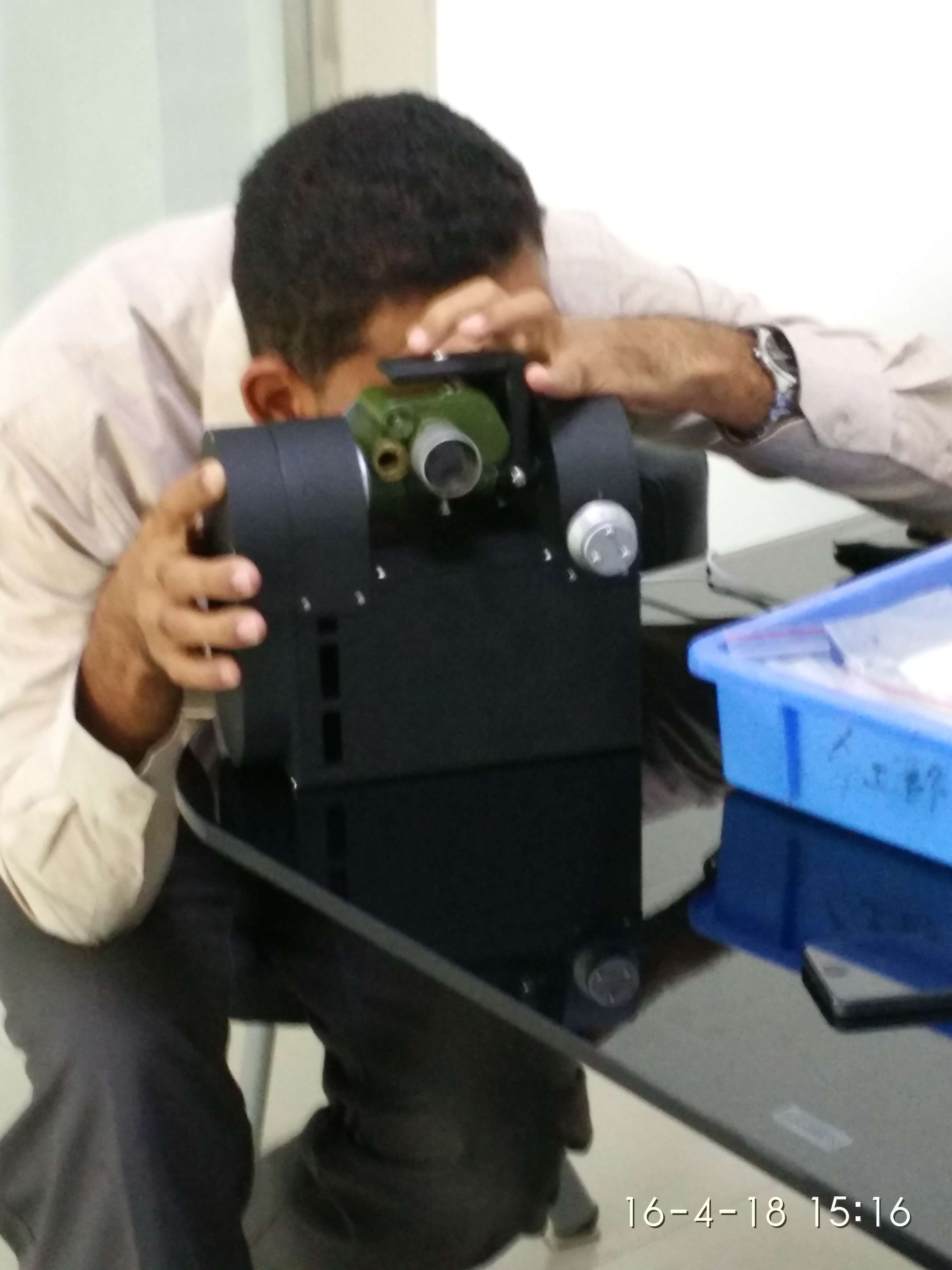
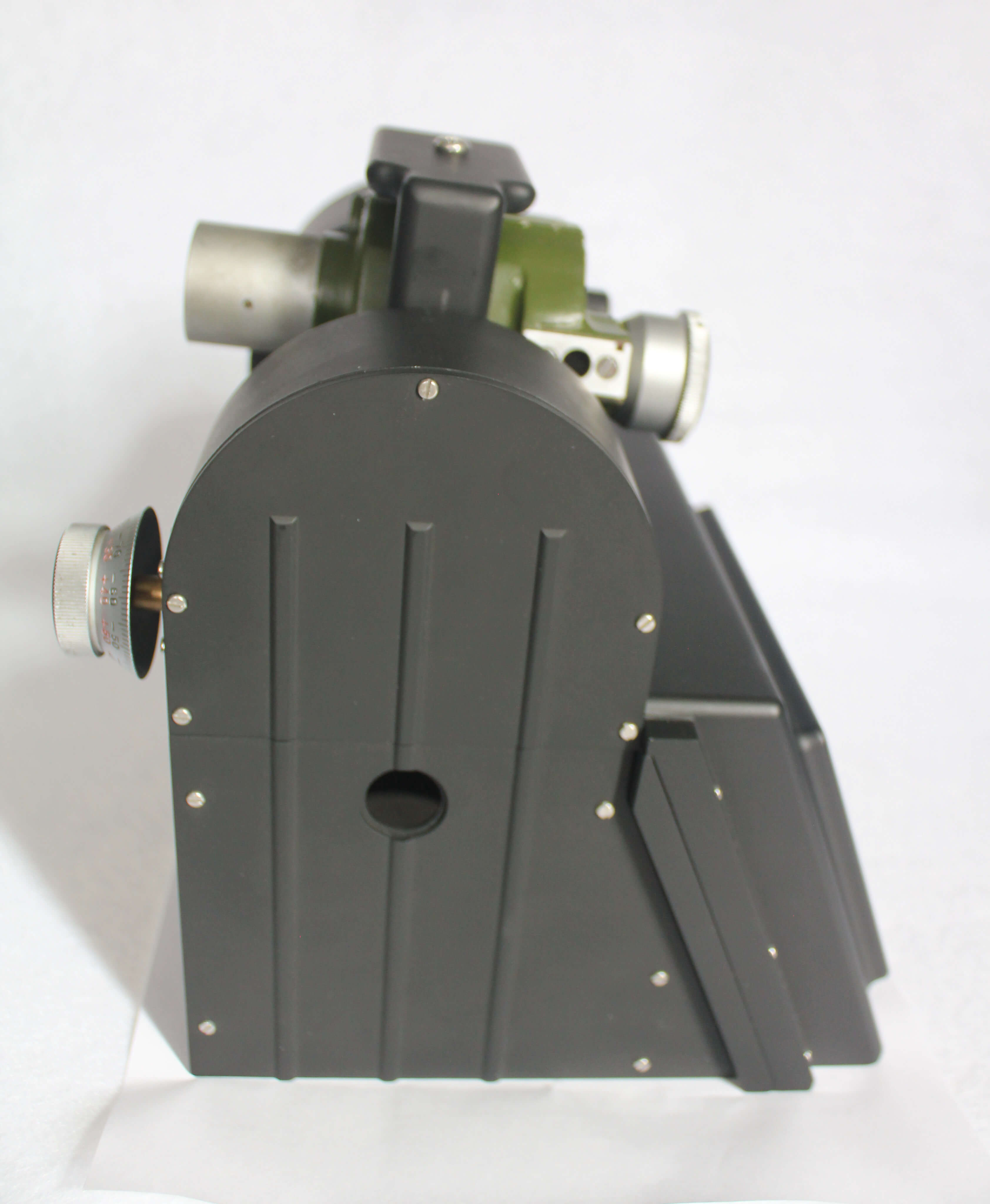
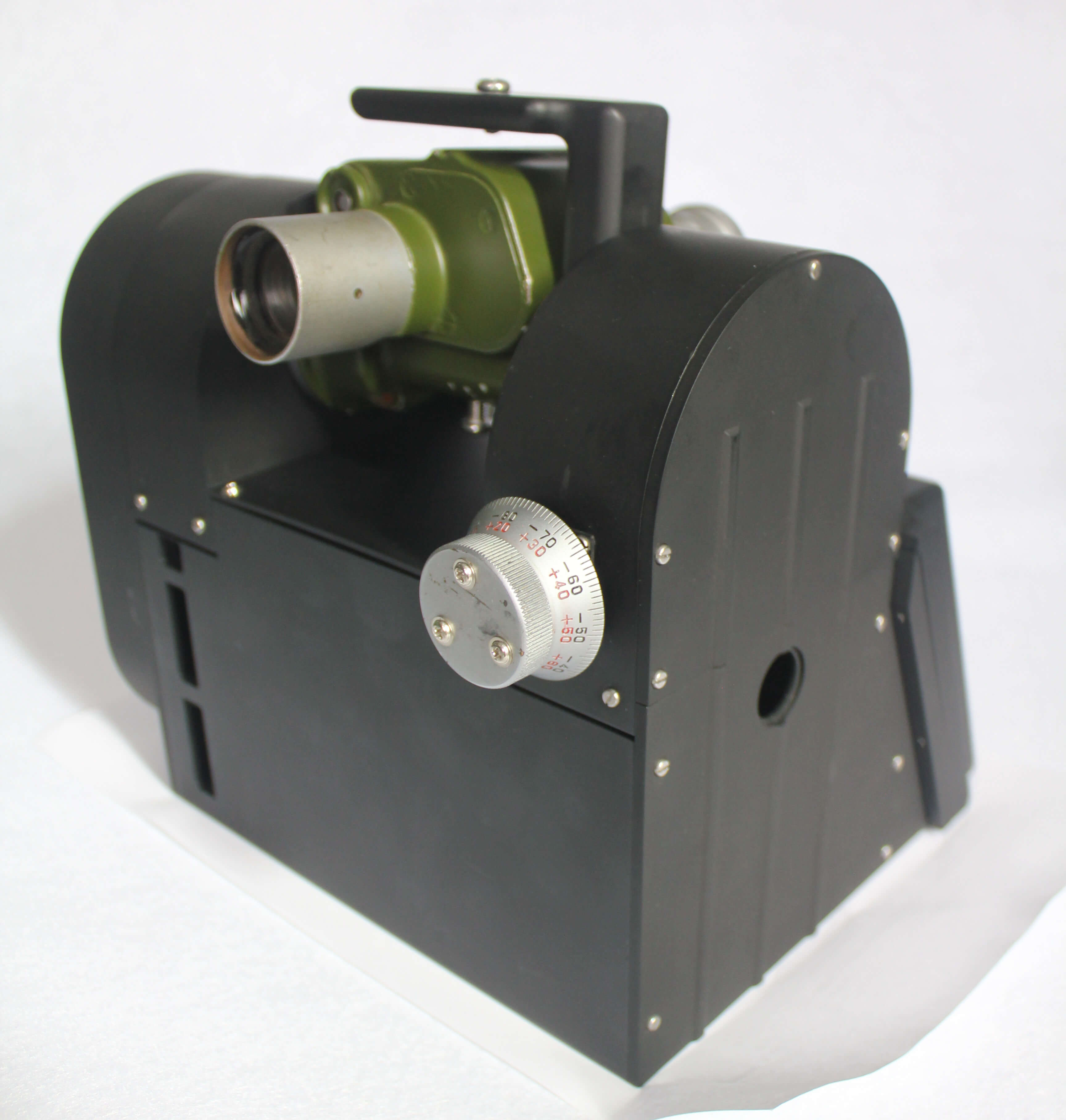
Industry Engineering Telescope
Industrial Equipment
Project Information
| Project Type | Industrial Equipment |
| Quantity | 1 Set |
| Process | CNC Machining, Lathe machining |
| Material | Stainless steel, Aluminum 7075-T6, PMMA |
| Tolerance | ISO 2768 M, Fitting well |
Project Content
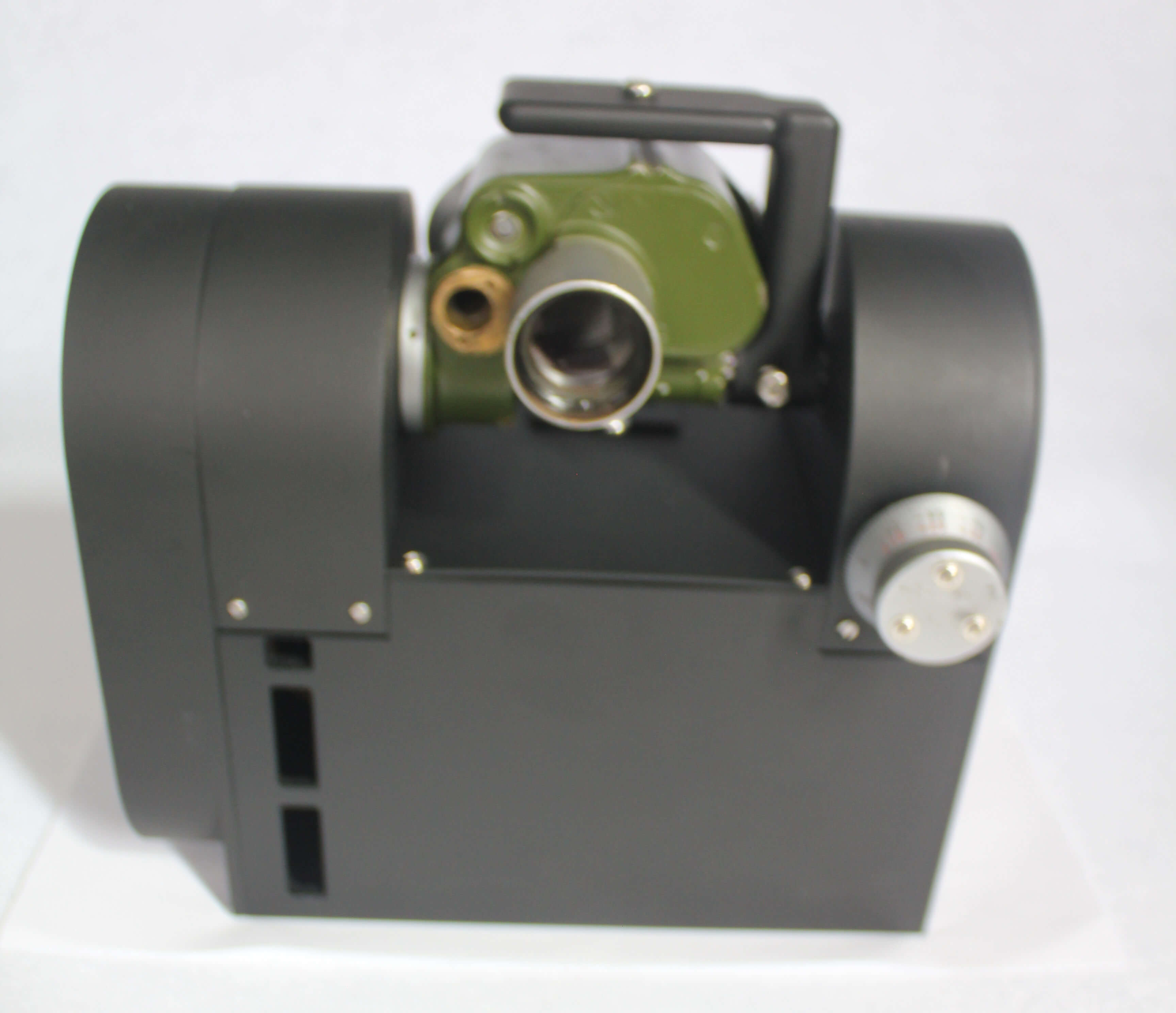
The Necessity of Prototyping in Optical Engineering
Industrial and scientific telescopes are highly sensitive instruments where a micron-level error can lead to total functional failure. Prototyping is essential for:
Optical Axis Alignment: Verifying the structural rigidity of the lens barrels and mirror mounts to ensure the optical elements stay perfectly centered under different orientations.
Mechanical Interface Testing: Testing the precision of the focusing mechanisms, swiveling mounts, and sensor interfaces before high-cost production.
Thermal Stability Analysis: Evaluating how the structural materials expand or contract during temperature fluctuations to maintain a constant focal length.
Advantages: CNC Machining vs. Traditional Casting
For high-precision optical housings, CNC machining from solid billets is the superior choice over casting:
Superior Material Density: Machining from aircraft-grade aluminum (7075) or Invar ensures a uniform material structure with no internal voids, which is critical for maintaining optical precision.
Complex Internal Geometry: We can machine intricate internal baffles (light traps) directly into the barrel to eliminate stray light, which is difficult to achieve with standard molding.
Zero-Stress Fabrication: Our specialized machining cycles prevent residual internal stress, ensuring the telescope body does not warp over time.
Material Selection for High-Precision Optics
Aluminum 6061-T6 / 7075-T6: The industry standard for lightweight, high-strength structural frames.
Invar (Nickel-Iron Alloy): Used for critical lens mounts and spacers where a Near-Zero Coefficient of Thermal Expansion (CTE) is required.
Titanium Alloys: Selected for aerospace-grade telescopes where maximum strength-to-weight ratio and corrosion resistance are needed.
Carbon Fiber Composites: Used for large-diameter tubes to provide extreme stiffness and low weight.
Technical Processes & Manufacturing Steps
High-Precision Lathe Turning: Ensuring the inner diameter (ID) and outer diameter (OD) of the lens barrel are perfectly concentric to within ±0.01mm.
5-Axis Simultaneous Milling: Creating complex mounting brackets and ergonomic external housings with organic curves.
Baffle & Thread Machining: Precision-cutting internal anti-reflective threads and knife-edge baffles to prevent internal light scattering.
Advanced Surface Treatment: * Deep Black Anodizing (Matte): To absorb stray light and provide a durable, non-reflective finish.
Chemical Passivation: For stainless steel or titanium components used in marine or harsh industrial environments.
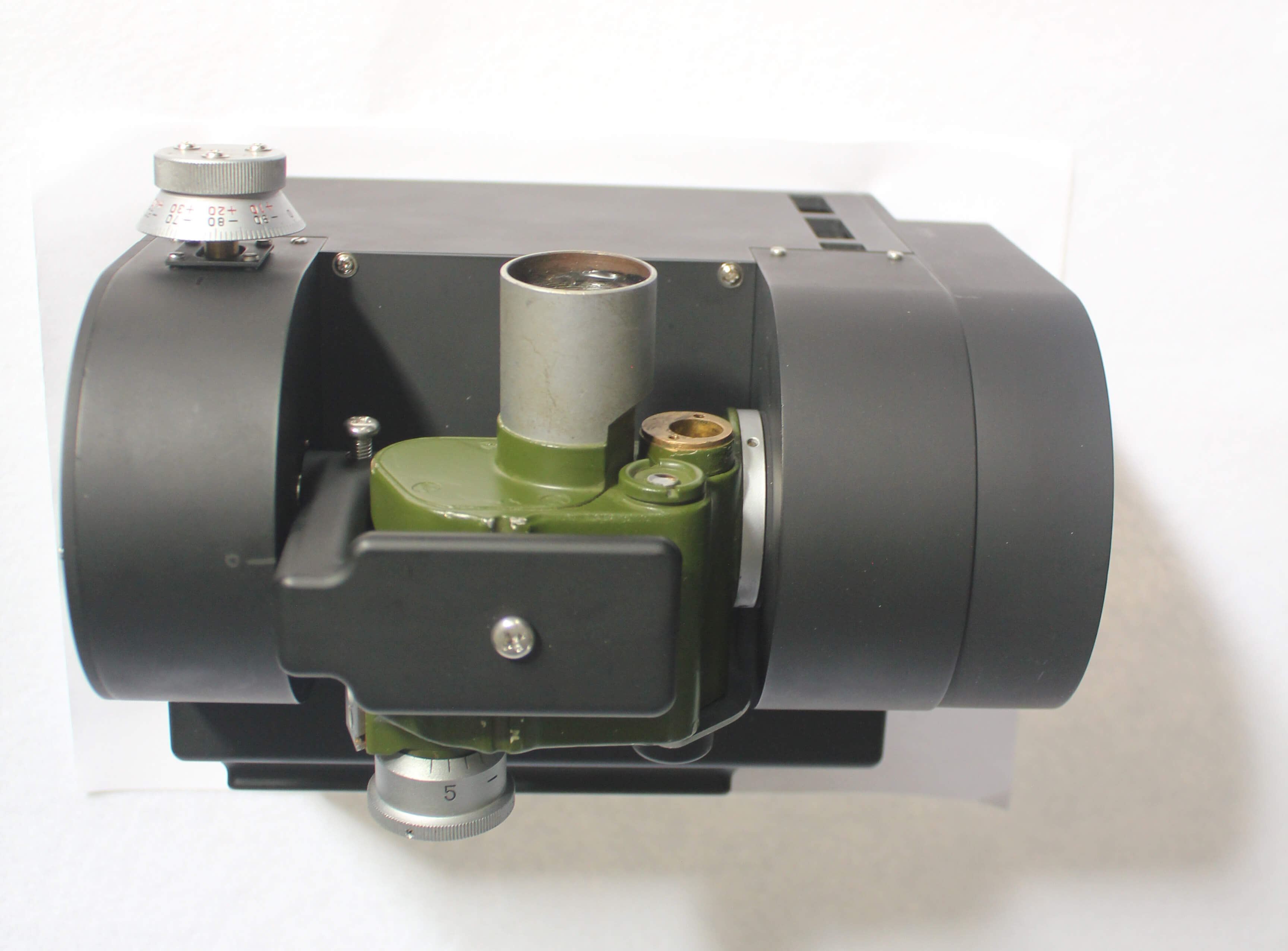
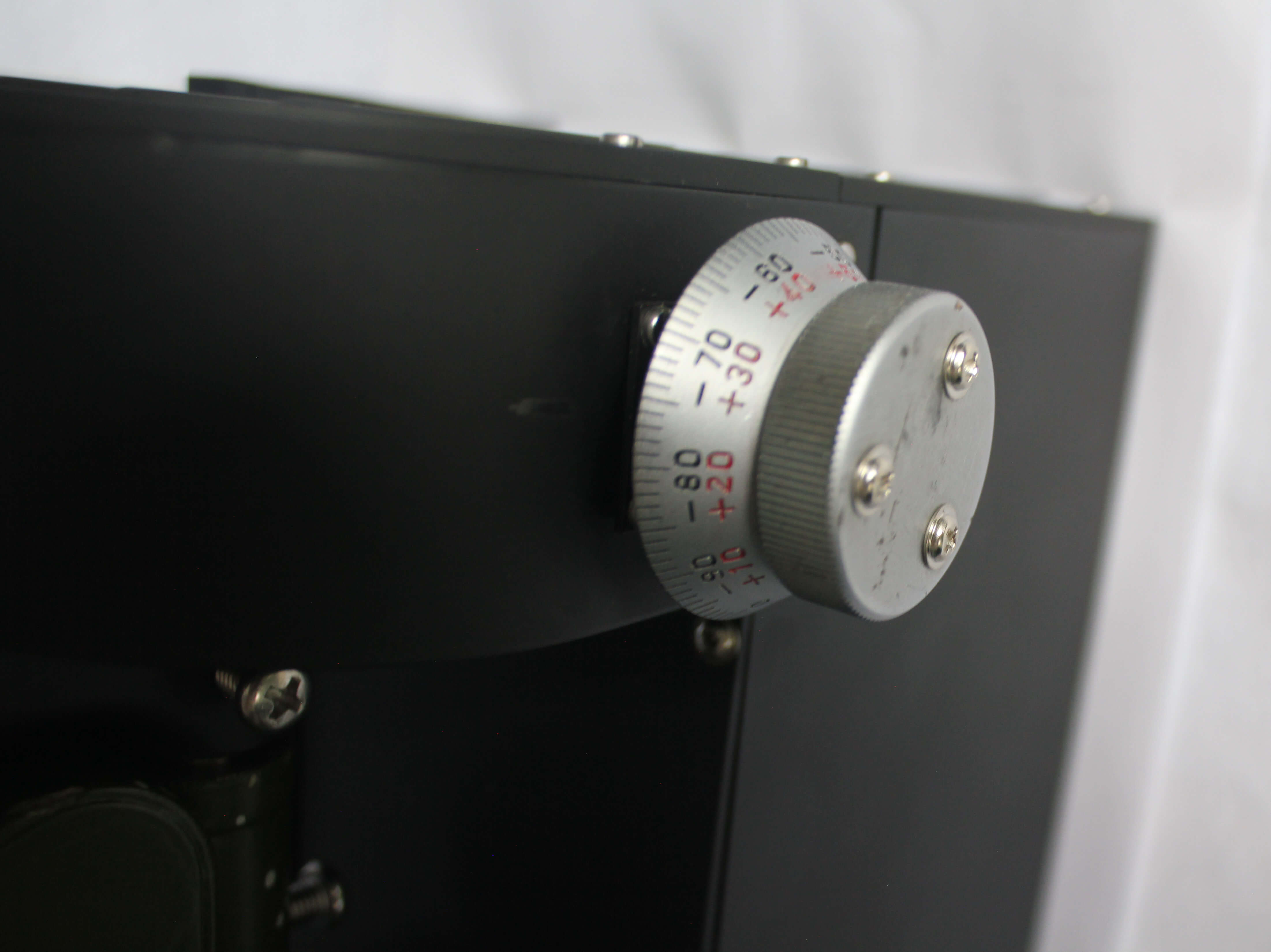
Precision & Optical Quality Standards
Ultra-Tight Tolerances: We consistently achieve ±0.005mm to ±0.01mm on critical lens seating surfaces to ensure perfect optical centering.
Surface Roughness: Achieving Ra 0.4μm or better on mating surfaces to ensure smooth mechanical movement of the focusing assembly.
Parallelism & Perpendicularity: Ensuring that the lens mounting planes are perfectly square to the optical axis to prevent image distortion (coma or astigmatism).
Customer Feedback
"The industrial engineering telescope components delivered by Henny Manufacturing provided excellent precision and quality for our optical instruments."
— Project Manager, Precision Instrument Company