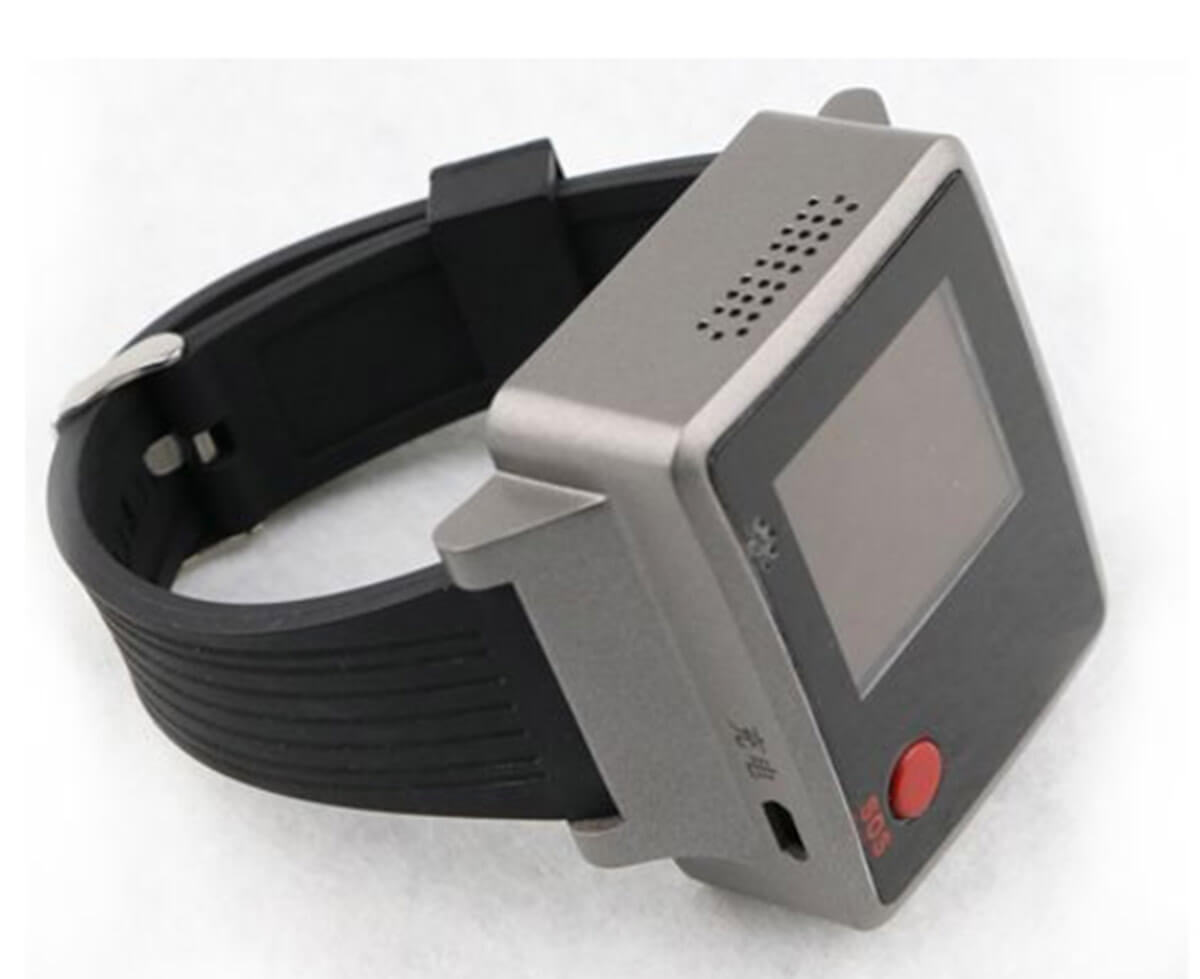
Medical Bracelet Prototypes
Medical Device
Project Information
| Project Type | Medical Device |
| Quantity | 1 Set |
| Process | CNC, Vacuum casting |
| Material | Stainless steel, PMMA, ABS, Rubber |
| Tolerance | ISO 2768 M |
Project Content
The Necessity of Prototyping in Medical Wearables
Medical bracelets are critical for continuous patient monitoring and emergency identification. High-fidelity prototyping is essential to validate:
Sensor Accuracy: Providing a precise housing for heart rate, SpO2, or glucose sensors to ensure consistent skin contact and reliable data collection.
Long-term Wearability: Testing the ergonomic curvature and weight distribution to ensure the device is comfortable for 24/7 use without causing skin irritation.
Durability & Reliability: Verifying the mechanical strength of the strap and the water resistance (IP67/IP68) of the casing before clinical trials.
Advantages: Prototyping vs. Mass Production
Human Factors Validation: Creating multiple size variations (Small, Medium, Large) to test fitment across diverse patient demographics without investing in multiple injection molds.
Regulatory Pre-compliance: Using prototypes for preliminary biocompatibility and safety testing required for FDA or CE certification.
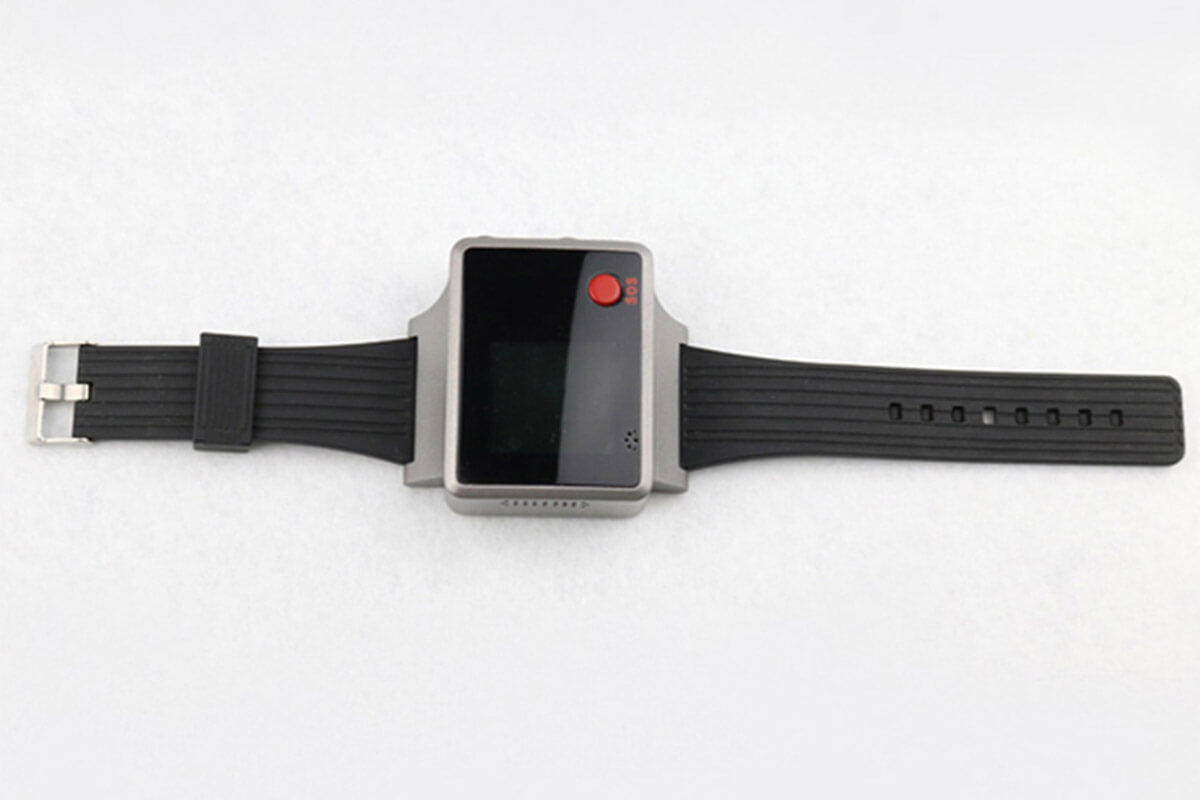
Material Selection for Medical Bracelets
Medical-Grade Silicone / TPU: Used for the strap to provide a soft-touch feel, flexibility, and hypoallergenic properties.
Stainless Steel (316L) / Titanium: Selected for premium enclosures or electrode sensors due to their excellent corrosion resistance and skin-friendly nature.
Optical-Grade PMMA/PC: For the display window or sensor covers to ensure maximum light transmission for optical sensors.
Technical Processes & Manufacturing Steps
Micro-CNC Machining: Utilizing high-speed spindles to create ultra-small internal features for tiny electronic components and batteries.
Over-molding (Vacuum Casting): Producing prototypes that combine a rigid plastic core with a soft-touch elastomer exterior in a single integrated part.
Laser Micro-drilling: Creating microscopic holes for microphones or pressure sensors that are invisible to the naked eye.
Advanced Surface Finishing: Including PVD Coating (for metallic aesthetics), Anti-fingerprint (AF) Coating, and Medical-grade Laser Marking for barcodes or patient IDs.
Precision & Compliance Standards
Ultra-Compact Tolerances: Maintaining tolerances of ±0.02mm to ensure the battery door and charging ports are perfectly sealed and aligned.
Surface Roughness Control: Achieving Ra 0.4μm or smoother on all skin-contacting surfaces to prevent any abrasive discomfort or bacterial buildup.
Customer Feedback
"The medical bracelet prototypes delivered by Henny Manufacturing provided excellent quality and precision for our product development process."
— Project Manager, Medical Device Company