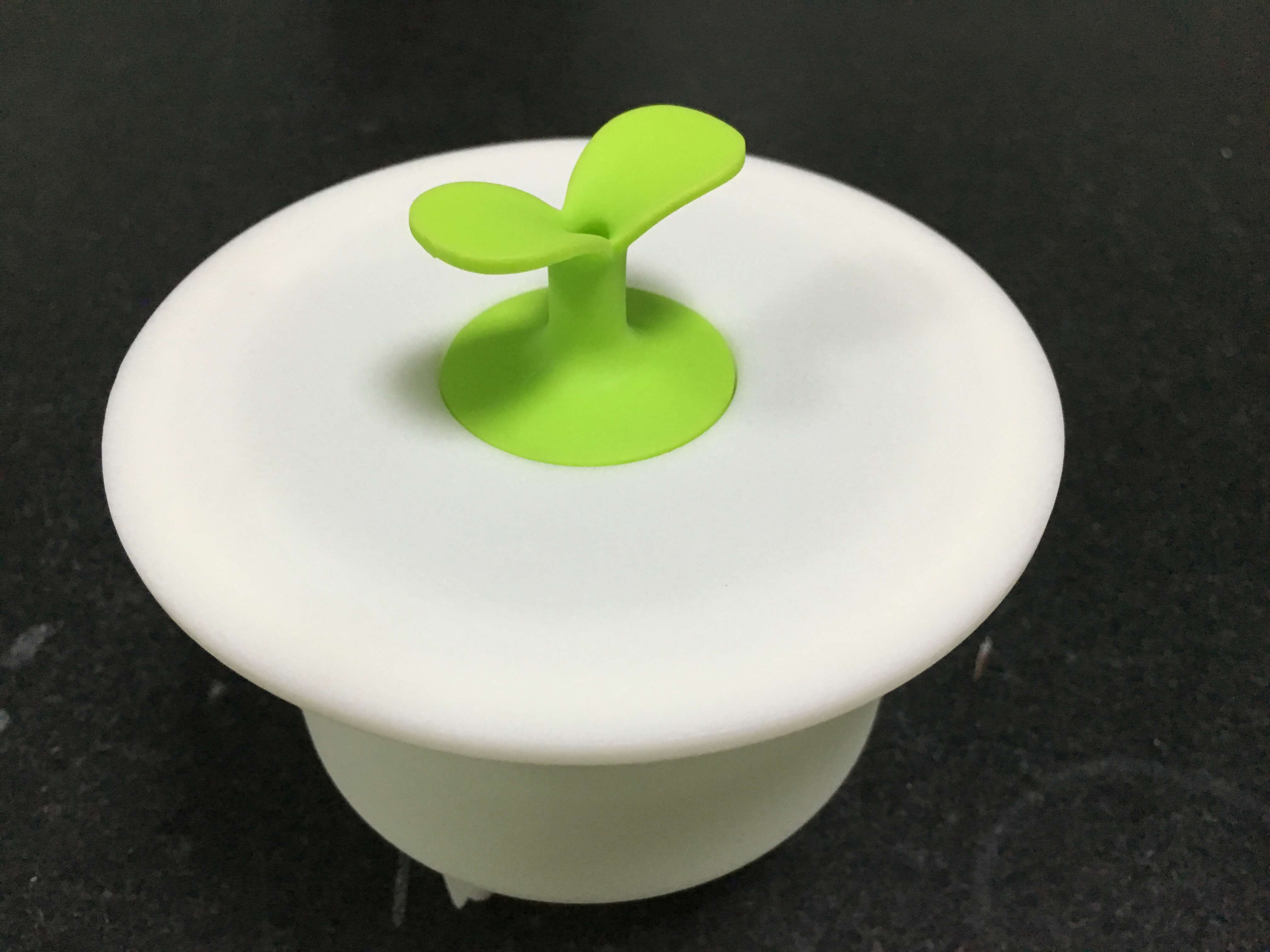
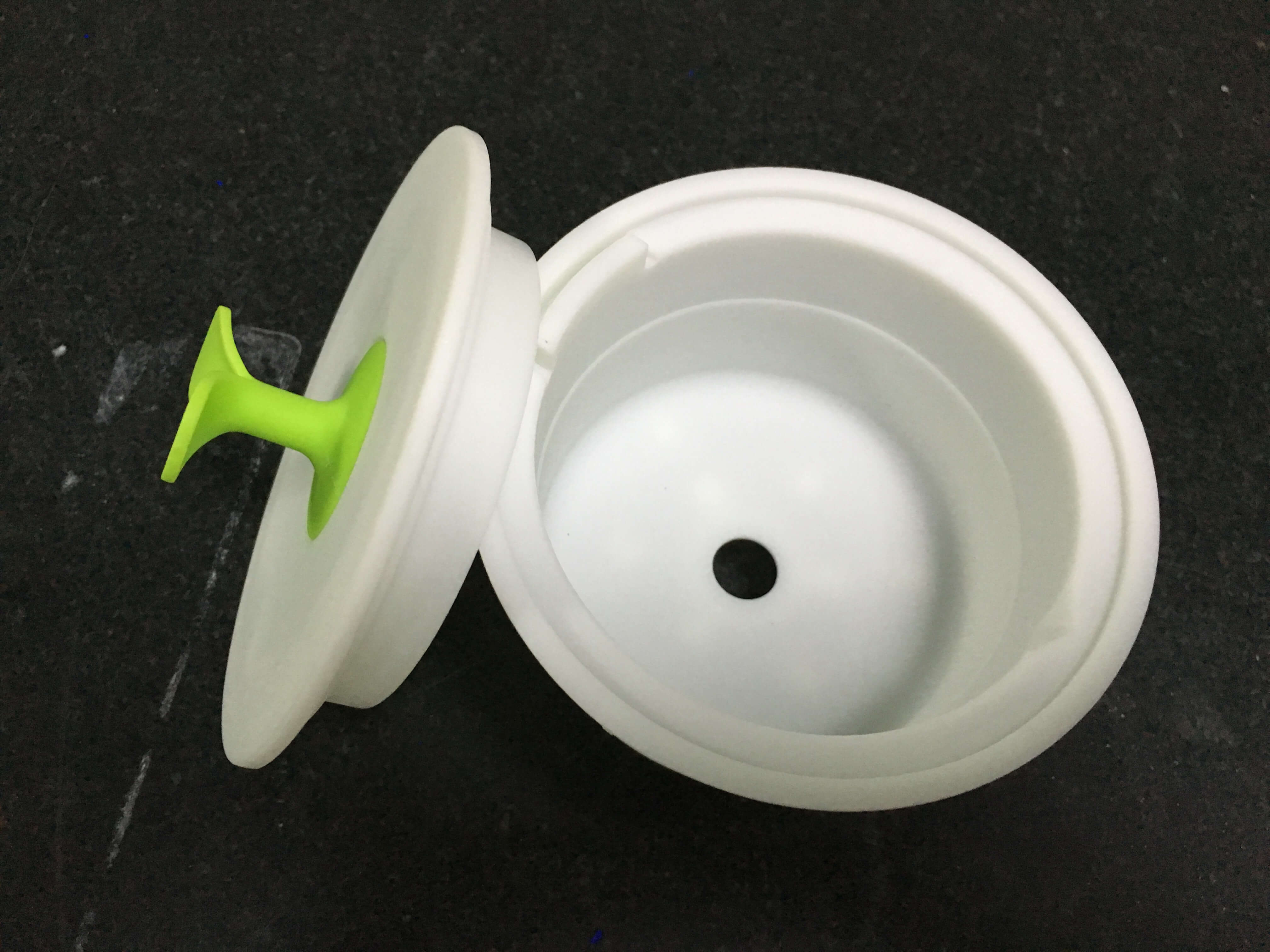
Car Interior Decoration
Automotive
Project Information
| Project Type | Automotive |
| Quantity | 1 Set |
| Process | Vacuum Casting |
| Material | Rubber |
| Tolerance | Fitting well |
Project Content
The Necessity of Prototyping in Product Development
In the automotive industry, the wheel hub is a critical safety and performance component. Developing a physical prototype before moving to mass production is essential for several reasons:
1, Design Validation: It allows engineers to verify the aesthetic appeal and complex geometries of the wheel spokes that cannot be fully captured in 3D renders.
2, Functional Testing: Prototypes are used for assembly checks, ensuring perfect fitment with braking systems and tire beads.
3, Aerodynamic Analysis: High-fidelity models can be used in wind tunnel testing to optimize airflow and cooling efficiency for the braking system.
Advantages: Prototyping vs. Direct Mass Production
Transitioning directly to mass production (such as high-pressure die casting or forging) involves massive capital expenditure in tooling. Prototyping offers:
Risk Mitigation: Identifying design flaws early prevents the astronomical costs of modifying hard tooling later.
Iterative Speed: You can test multiple design variations simultaneously without waiting months for molds to be fabricated.
Cost-Efficiency for Low Volume: For concept cars or limited-edition models, CNC machining a prototype is significantly cheaper than creating production-grade molds.
Customer Feedback
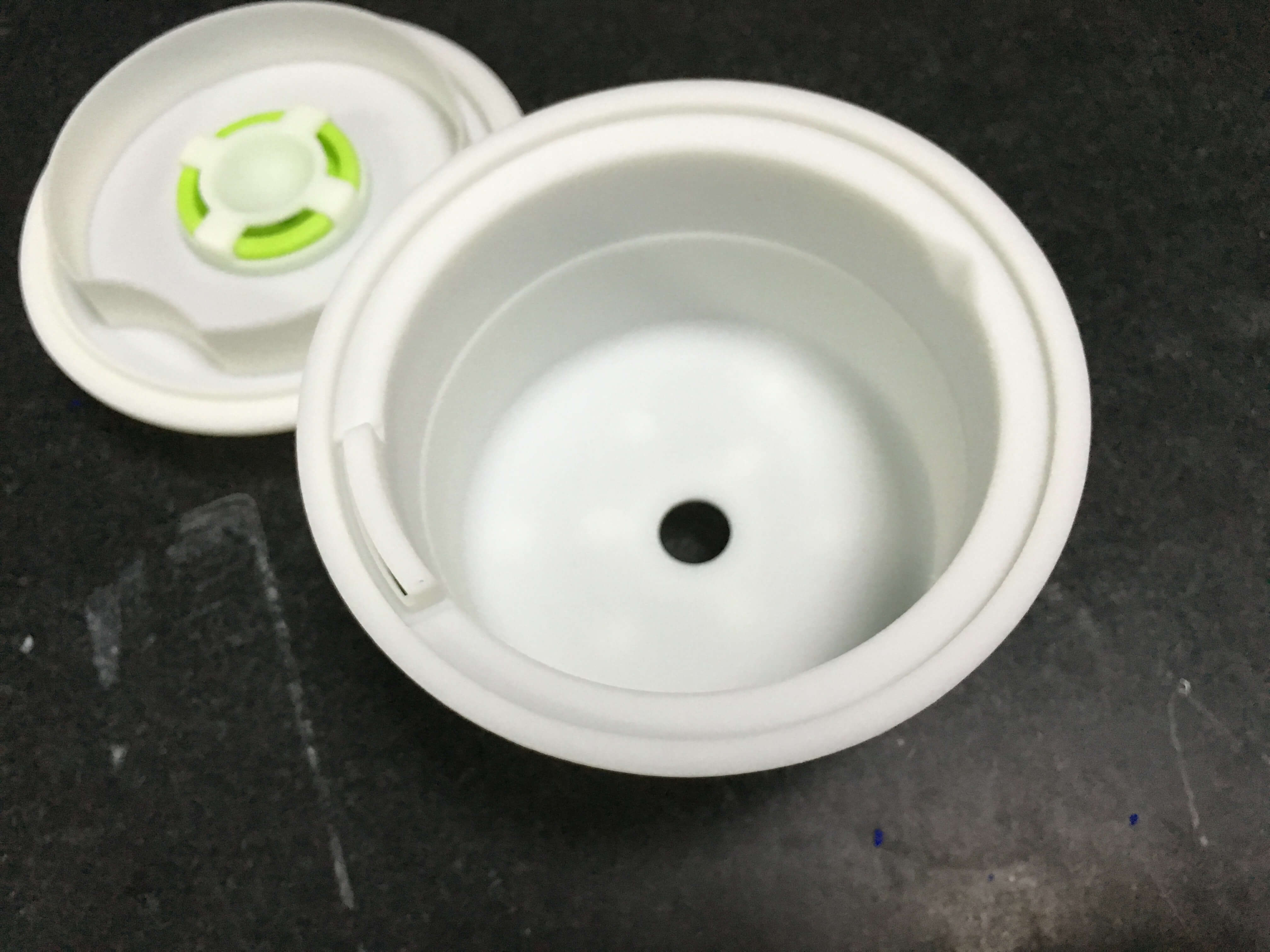
"The car interior decoration components delivered by Henny Manufacturing provided excellent quality and precision for our automotive interior applications."
— Project Manager, Automotive Interior Company