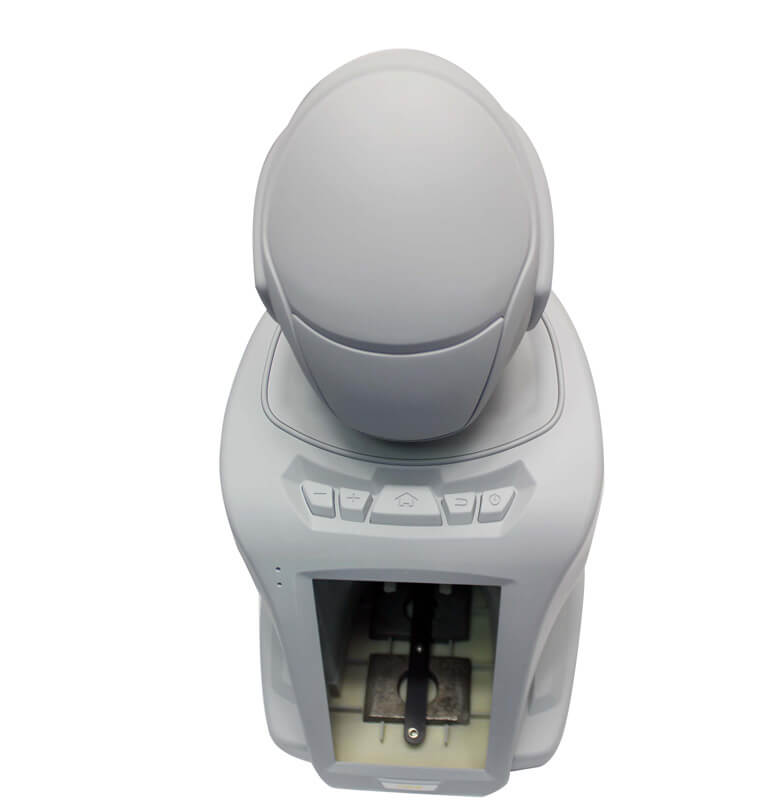
Household Robot
Robot
Project Information
| Project Type | Robot |
| Quantity | 10 Sets |
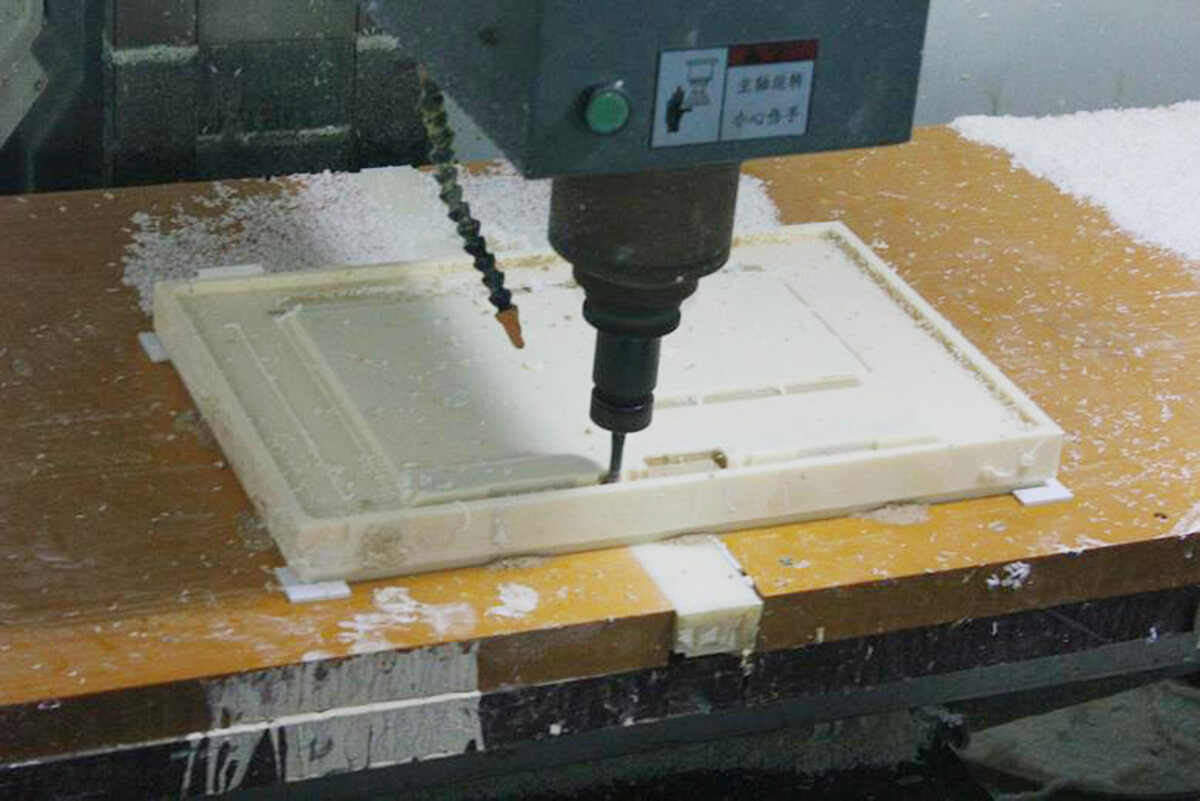
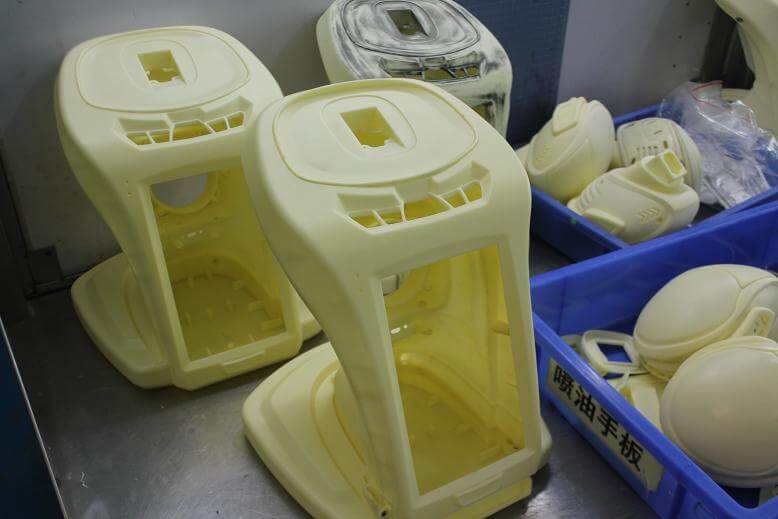
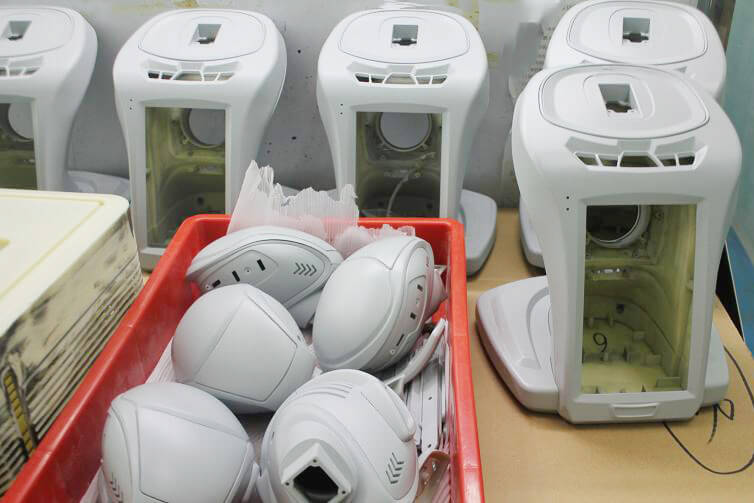
| Process | CNC, Sheet metal |
| Material | PC/ABS, Low carbon steel |
| Tolerance | Fitting well, ±0.1-0.05mm |
Project Content
The Necessity of Prototyping in Robotics Development
Household robots are sophisticated machines combining AI, sensors, and mechanical actuators. High-fidelity prototyping is the only way to bridge the gap between digital design and real-world performance:
Sensor Calibration & Testing: Prototypes allow engineers to install and test LiDAR, ultrasonic sensors, and SLAM cameras to ensure accurate mapping and obstacle avoidance in home environments.
Kinematic Validation: Verifying the range of motion for robotic arms, wheel modules, and brush mechanisms to ensure smooth operation on various floor types (carpet, hardwood, tile).
Structural Compactness: Modern home robots have extremely tight internal layouts. Prototypes verify the cable routing and heat dissipation for motors and motherboards.
Advantages: Prototyping vs. Mass Production
Iterative Mechanism Design: Testing different gear ratios and linkage geometries for lifting or rotating modules without the high cost of injection mold modifications.
Material Fatigue Testing: Evaluating the durability of high-wear parts like wheel treads, bumpers, and rotating joints under continuous stress.
Noise & Vibration Control: Identifying and dampening mechanical resonance and gear noise to ensure the robot operates quietly in a domestic setting.
Material Selection for Robotic Prototypes
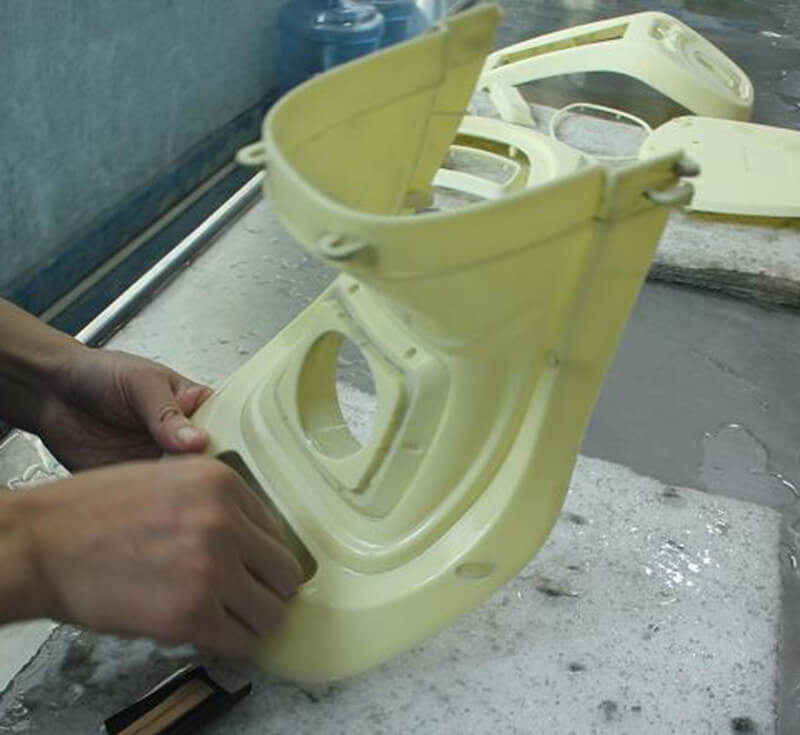
High-Strength PC/ABS: The standard for the main chassis and outer shells, offering impact resistance for the "collision buffer" zones.
POM (Delrin) & PEEK: Used for internal gears, bushings, and sliding rails to provide low friction and high wear resistance.
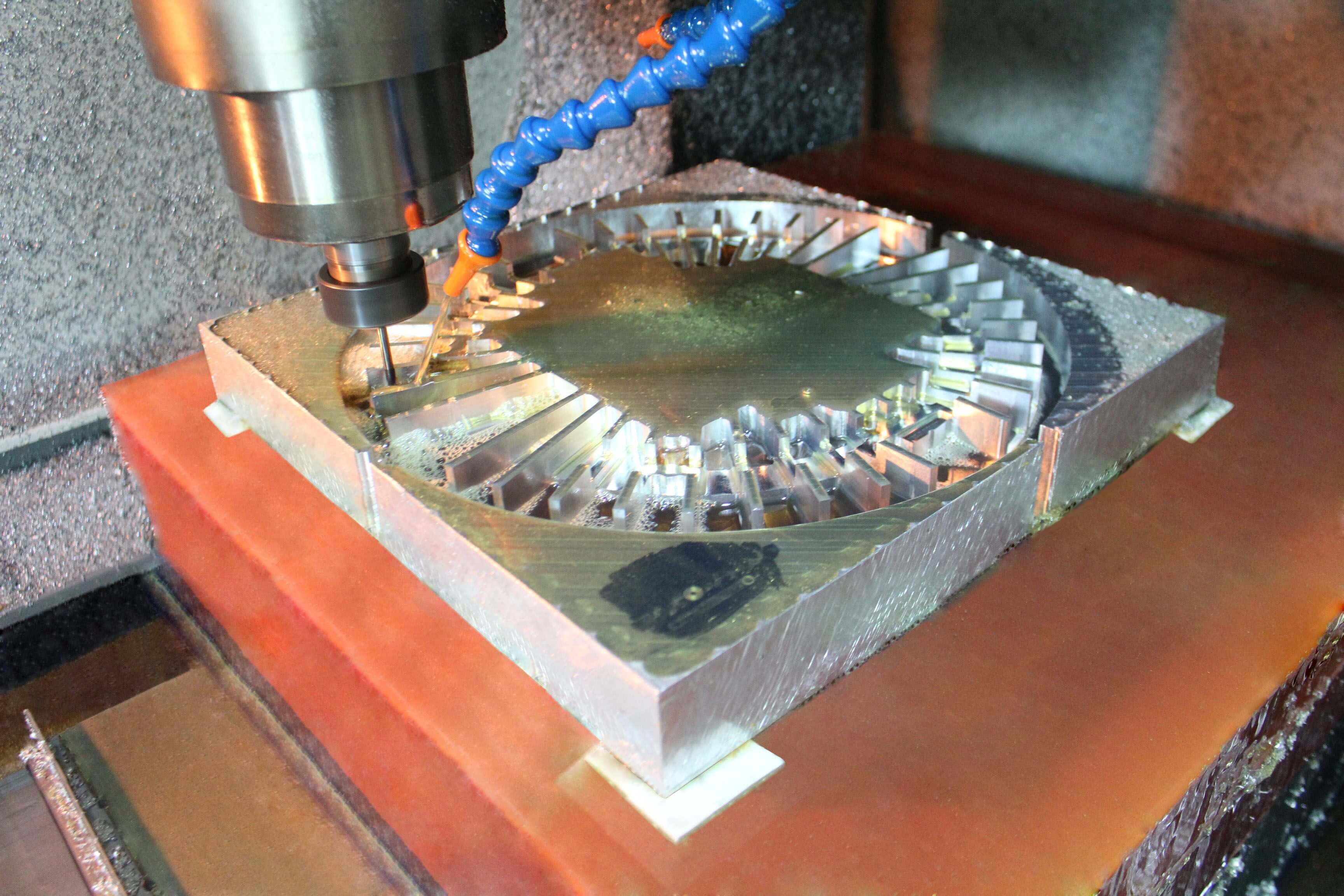
Aluminum 6061-T6: Often used for internal structural frames and motor mounts to provide rigidity and act as a natural heat sink.
TPU / Silicone: Used for soft bumpers, over-molded wheels (for grip), and dust seals.
Technical Processes & Manufacturing Steps
5-Axis CNC Precision Machining: Creating complex, thin-walled internal structures and motor housings with extreme dimensional accuracy.
Multi-Material Over-molding (Vacuum Casting): Producing functional bumpers that combine a hard plastic core with a soft rubber exterior for shock absorption.
Electromagnetic Interference (EMI) Shielding: Applying conductive coatings to the interior of plastic housings to protect sensitive sensors from electronic noise.
High-End CMF Finishing: Achieving a premium "tech" look through Matte Metallic Painting, Laser Etching, and Seamless Logo Integration.
Precision & Functional Standards
Tight Tolerances: Maintaining ±0.02mm to ±0.05mm to ensure that rotating joints have zero "play" (wobble) and gears mesh perfectly.
Seal Integrity: For wet-mopping robots, we ensure that water tanks and fluid paths are 100% leak-proof through specialized pressure testing.
Weight Balance: Precise material removal during CNC machining to ensure the robot's center of gravity is perfectly positioned for stability.
Customer Feedback
"The household robot components delivered by Henny Manufacturing provided excellent precision and quality for our robotics systems."
— Project Manager, Robotics Company