Intelligent Robot
Robot
Project Information
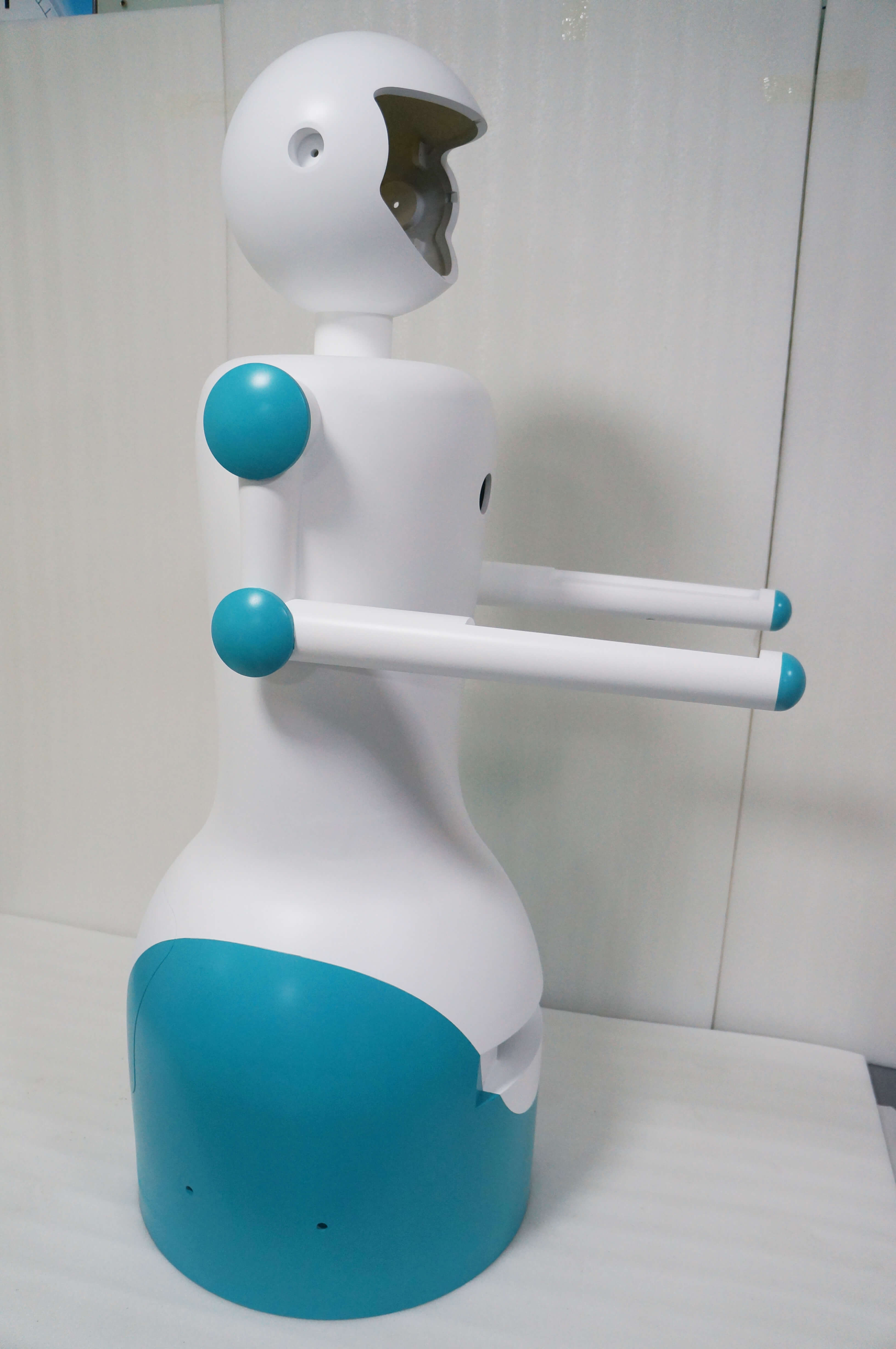
| Project Type | Robot |
| Quantity | 1 Set |
| Process | CNC, Sheet metal |
| Material | ABS, PMMA, Low carbon steel |
| Tolerance | ISO 2768 M, Fitting well |
Project Content
The Necessity of Prototyping in Intelligent Robotics
Intelligent robots are highly integrated systems that combine AI vision, multi-axis motion control, and sophisticated human-computer interaction. Prototyping is the bridge between a digital concept and a functional machine:
Structural Load Validation: For larger robots, prototypes verify the rigidity of the internal metal skeleton and its ability to support heavy payloads, batteries, and motors.
Sensor & Vision Integration: Providing a precise physical housing for LiDAR, depth cameras, and microphone arrays to ensure the field of view (FOV) is unobstructed and the sensors are accurately calibrated.
Human-Robot Interaction (HRI): Physical models allow for testing the ergonomics of touchscreen placement, eye-level camera heights, and the natural "personality" of the robot’s aesthetic form.
Advantages: Prototyping vs. Mass Production
Kinematic Refinement: Testing the torque and range of motion (ROM) of robotic joints (shoulders, elbows, knees) without the massive lead time and cost of production-grade casting.
Modular Upgradability: Quickly swappable prototype parts allow engineering teams to test different hardware configurations (e.g., different wheel types or grippers) in real-time.
Low-Volume Market Testing: Producing 5–10 high-fidelity units for trade shows (like the Hong Kong Electronics Fair) or pilot programs at airports or shopping malls.
Material Selection for Intelligent Robots
Aluminum 6061-T6 / 7075: Used for the internal "spine" and structural joints to provide a high strength-to-weight ratio.
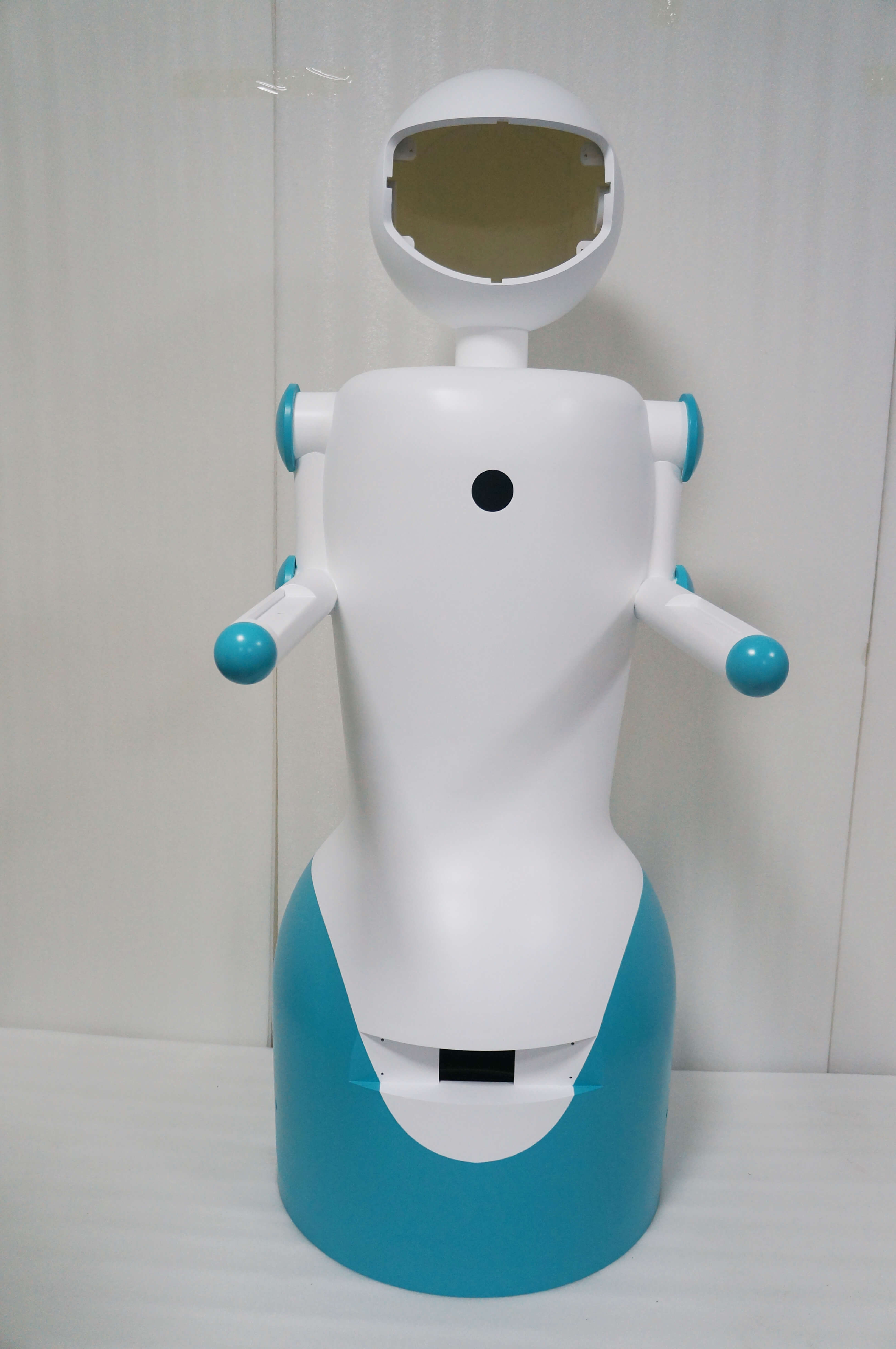
High-Impact ABS & PC-ABS: The preferred choice for outer body panels, offering durability and a premium surface for finishing.
Carbon Fiber: Selected for robotic arms or lightweight components where extreme stiffness and minimum inertia are required.
Black Infrared-Transparent PC: Crucial for sensor covers that must appear opaque to the human eye but remain transparent to infrared signals.
Technical Processes & Manufacturing Steps
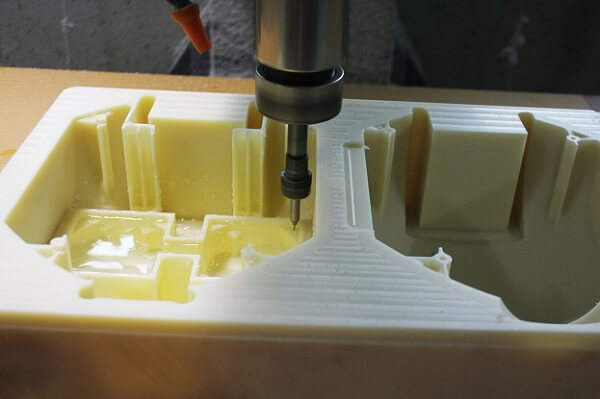
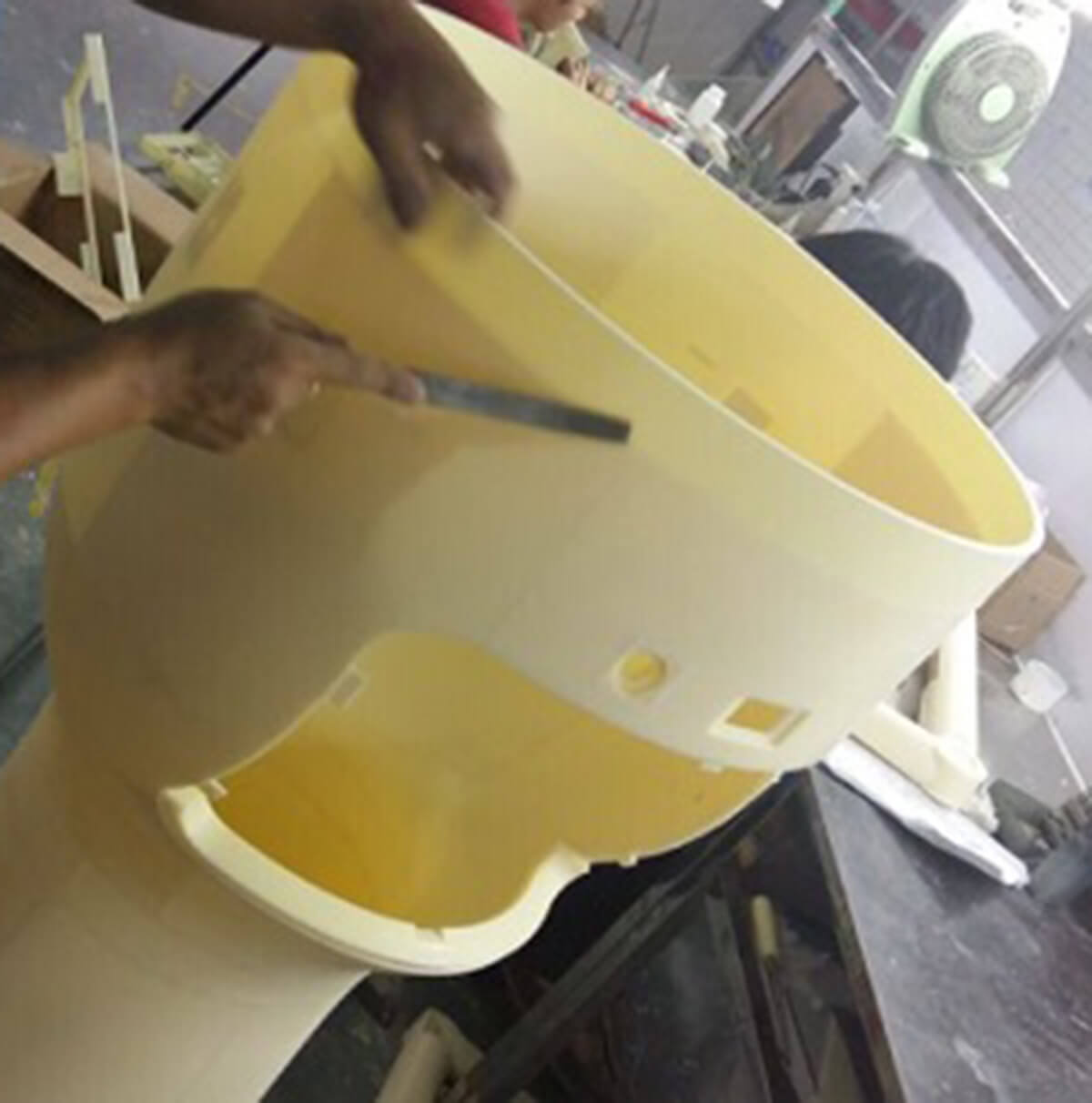
Large-Scale 5-Axis CNC Machining: Carving complex, organic outer shells and high-precision joint housings from solid blocks to ensure structural integrity.
Sheet Metal Fabrication: For internal chassis, battery compartments, and structural brackets that require high durability and grounding capabilities.
Vacuum Casting (PU): Ideal for producing small batches of specialized components like flexible bumpers or soft robotic "skins."
Advanced Surface Finishing: Includes Automotive-grade Spray Painting, PVD Chroming for metallic accents, and Laser Etching for branding and interface indicators.
Precision & Engineering Standards
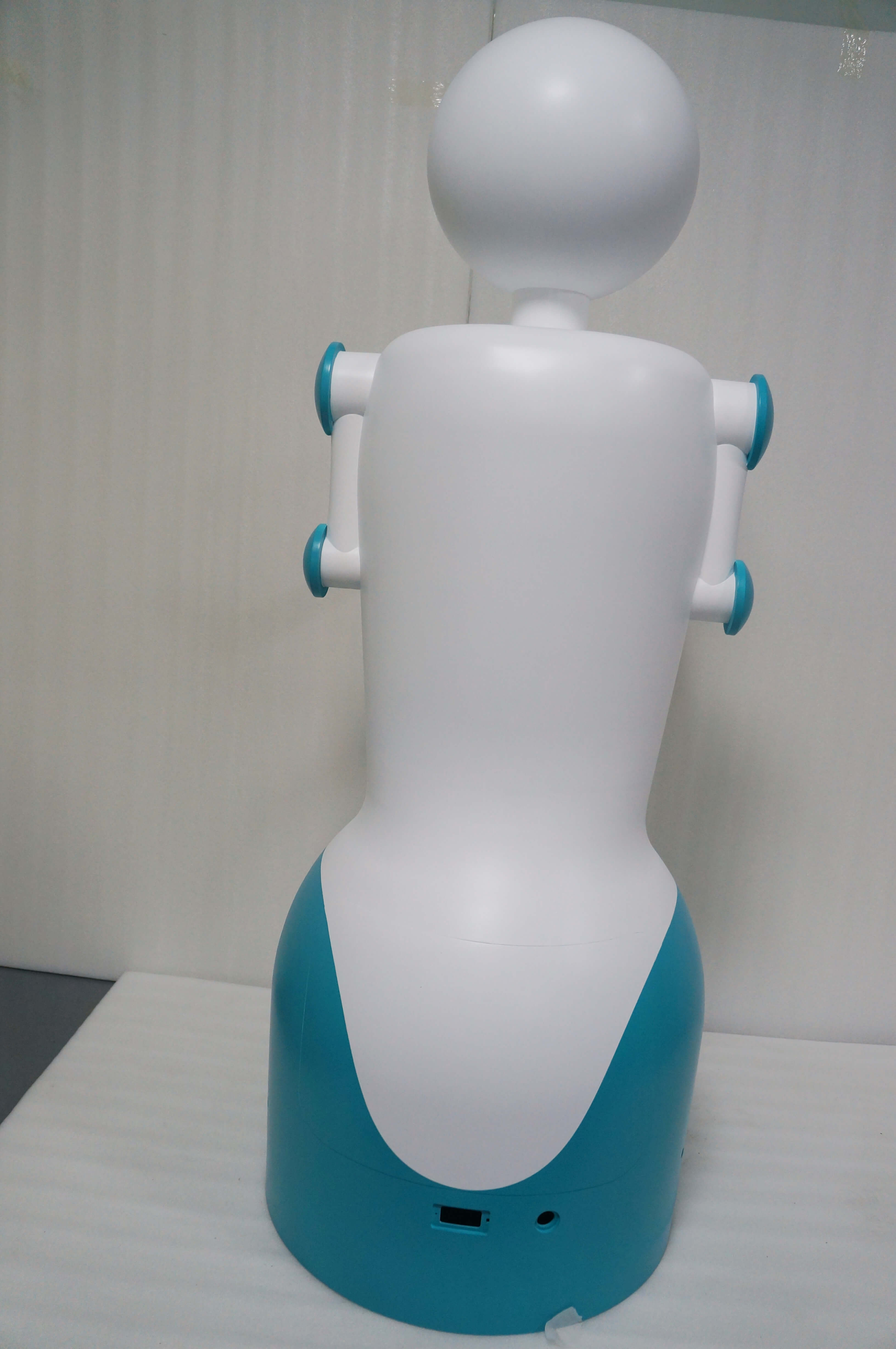
High-Precision Articulation: Maintaining tolerances of ±0.02mm in joint assemblies to eliminate backlash and ensure smooth, lifelike movement.
Weight Distribution Control: Precise control over material density and removal to ensure the robot maintains a low center of gravity for stability during motion.
Thermal Management: Incorporating precision-machined cooling vents and heat sink mounts to manage the high temperatures generated by AI processors and high-torque motors.
Customer Feedback
"The intelligent robot components delivered by Henny Manufacturing provided excellent precision and quality for our advanced robotics systems."
— Project Manager, Robotics Technology Company